


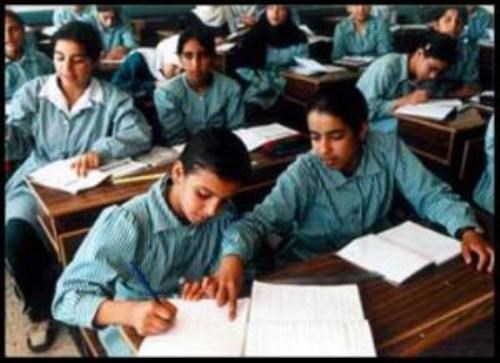
Directly after the sunset, fear began to sneak into the heart of Islam,10, a schoolboy from Gaza
Because he is trying for an hour to get a cab but to no avail.
Hundreds of students are facing difficulties after school-hours due to the "avarice of some drivers who want to double the fare because of the fuel crisis."
"I am giving my two children 4 NIS per day .. this is too much, my husband is working in ironing" said Um Ahamd, 45
She added to Alresalah.ps that "some drivers are asking for doubled fees from students under the pretext of the fuel crisis in Gaza"
For his part, Jamal,35, a cabdriver said to Alresalah.ps that many of his colleagues refuse to pick up schoolboys due to their inability to pay the "full fare", noting that he is working with government's employees and university students.
Transportation throughout the Strip has been curtailed; carts pulled by donkeys are now being used to collect solid waste. The Strip’s schools and universities have also been affected.
Hospitals and other health facilities throughout the Gaza Strip have been relying on their own generators during the lengthy power outages.
But the generators are also affected by fuel shortages, jeopardizing essential services like kidney dialysis, operating theatres, blood banks, intensive care units, neo-natal care, and laboratories, putting patients’ lives at risk.
Businesses, construction, and much agricultural work have also ground to a halt amid the power cuts and shortages of fuel and building materials. This has further reduced the incomes of many households who already had trouble meeting their basic needs.
Bakeries have reduced production and people are forced to queue to buy bread.
Since June 2007, when the Israeli blockade was tightened,Gaza’s energy, water, and sanitation infrastructure has been inadequate to fulfil the basic rights of its inhabitants.
They were already poor due to prior Israeli restrictions and decades of neglect.


